If you’re changing wheels or tires on your Nissan Corolla, knowing the correct tire diameter and wheel offset isn’t just about looks it affects how your car handles, whether your speedometer stays accurate, and if your new setup rubs against the fenders or suspension. Getting these numbers wrong can lead to uneven tire wear, poor steering response, or even damage to your vehicle over time.
What do tire diameter and wheel offset actually mean?
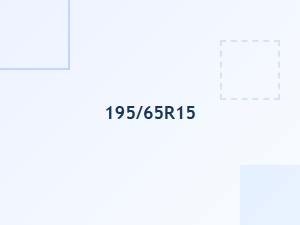
Tire diameter is the total height of the tire from tread to tread when it’s properly inflated and mounted on the correct rim. It’s determined by the tire size (like 195/65R15) and impacts your speedometer reading, gear ratios, and ground clearance.
Wheel offset measures how far the wheel mounting surface sits in relation to the centerline of the wheel. It’s listed in millimeters and labeled as “ET” (e.g., ET45). Positive offset means the mounting surface is closer to the outside of the wheel; negative offset moves it inward. The right offset keeps your wheels centered in the wheel well and prevents interference with suspension parts.
Why would I need a tire diameter and offset chart for my Corolla?
You’ll likely look this up when:
- Buying aftermarket wheels
- Switching to a different tire size for performance or aesthetics
- Replacing worn tires and wanting to stay within factory specs
- Troubleshooting rubbing, vibration, or alignment issues after a wheel change
For example, if you install a wider wheel with too much negative offset on a 2010 Corolla, the inner edge might hit the strut. Or if you choose a taller tire without checking diameter, your odometer could read 5% slower than actual speed enough to matter during highway driving.
What are common mistakes people make?
One frequent error is assuming all 15-inch or 16-inch wheels will fit just because they match the bolt pattern. Bolt pattern is only part of the story. Another is ignoring overall tire diameter when upsizing going from 195/65R15 to 205/55R16 might seem close, but the actual rolling diameter changes, which throws off speed calculations.
Some owners also overlook that offset tolerance varies by Corolla generation. A 2003 Corolla (E120 chassis) has different clearance than a 2019 model (E210), even if both are sedans. Using generic “Corolla fitment” advice without checking your specific year can cause problems.
Where can I find reliable specs for my exact Corolla?
The safest approach is to start with factory data. We’ve broken down original equipment details by model year so you don’t have to guess. For instance, if you drive a 2005 Corolla sedan, you can review the correct tire dimensions for a 2005 Nissan Corolla sedan to confirm stock diameter and acceptable replacement ranges.
Likewise, if you're replacing worn tires and want to stick with OEM sizing, our guide on how to replace your 2005 Corolla tires with factory size includes diameter comparisons and speedometer impact notes. And for a full reference across multiple years, the original tire size specifications sheet lists wheel offsets, diameters, and load ratings by trim and production year.
Practical tips before you buy new wheels or tires
- Measure your current setup first note the tire size on the sidewall and check the offset stamped on the back of the wheel (usually near the hub).
- Use a tire size calculator (many free ones online) to compare diameters between your current and proposed tires. Stay within ±3% of the original diameter if possible.
- For aftermarket wheels, verify both bolt pattern (Corollas typically use 5x100 or 5x114.3 depending on year) and center bore size not just offset.
- If you’re lowering your Corolla, reduce offset slightly to avoid inner fender contact, but don’t go beyond manufacturer-recommended limits.
And if you’re customizing your ride with unique styling, remember that fonts like Roadway might look great on a decal, but they won’t help your wheel fitment stick to verified measurements instead.
Before you hit “buy,” double-check this list
- Confirm your Corolla’s model year and body style (sedan, hatchback, etc.)
- Write down your current tire size and wheel offset
- Calculate the new tire’s overall diameter and compare it to stock
- Ensure the new wheel’s offset falls within the safe range for your chassis
- Review real-world fitment reports from other Corolla owners with the same setup
 Nissan Corolla Tire Specifications: Understanding Original Sizes
 Tire Dimensions for a Nissan Corolla Sedan
 Choosing the Right Factory-Size Tires for Your Corolla
 Original Tire Size for the Corolla Ce Base Model
 Understanding Alignment Issues in Factory Installed Tires
 Optimizing Tire Rotation for Your Stock Corolla